escarpment

dzisiejsze pasma: splecione, zagadkowe

[ today's strands: braided, cryptic ]

To było pod koniec popołudniowego biegu na osiem kilometrów, Honolulu, rok 1981 — trajektoria mojego życia skręciła nieoczekiwanie. Trasa wiodła z Moanalua Valley na kampus Manoa, słońce zachodziło gdy dotarłem na główny plac uczelni. Przechadzając się dla ochłody, rzuciłem okiem na tablicę ogłoszeń: plakat o wieczorze poetyckim właśnie teraz, gościnnie rosyjski poeta, niejaki Josif Brodski. Zanotowałem audytorium, ruszyłem. Powiedzieć, że czytanie Brodskiego mnie uniosło — to zubożyć sam język.
It was at the end of am 8k training run one afternoon in Honolulu in 1981 that the trajectory of my life took a serendipitous turn. My route took me from Moanalua Valley, to the Manoa campus of the University of Hawaii, the sun setting by the time I reached the main plaza of the school. Walking a bit to warm down, glanced at a student bulletin board and saw a poster about a poetry reading just then by a visiting Russian poet named Joseph Brodsky. I took note of the auditorium and headed there. To say I was transported by Brodsky's reading is to beggar language itself.
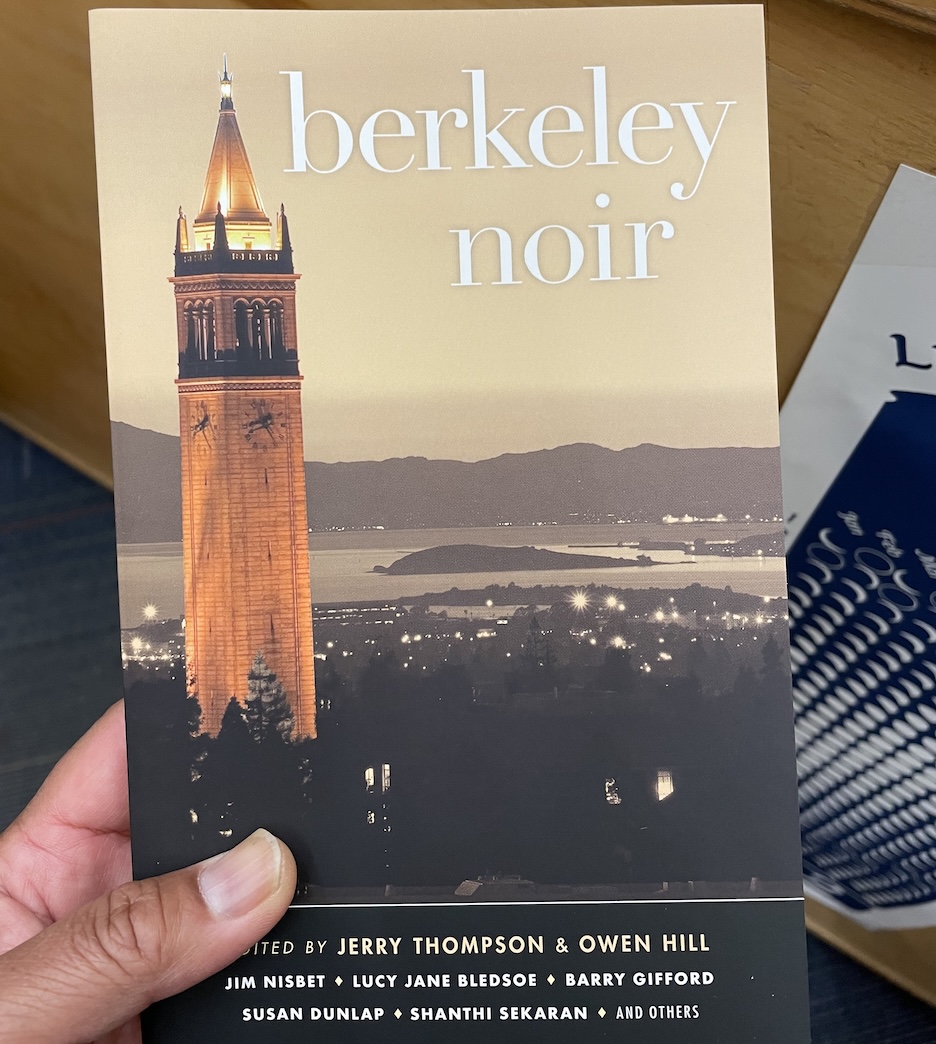
Kilka lat później jestem w Berkeley. Brodski wspomniał, że jego mentor, jakiś starożytny polski profesor nazwiskiem Czesław Miłosz, tam wykłada. (Miłosz dostał Nobla w 1980 — roku, w którym moja rodzina uciekła z Filipin do Ameryki, jako uchodźcy polityczni). Jestem owładnięty literaturą słowiańską, znam na pamięć wiersze rosyjskiego poety ze „szkoły akmeistycznej", Osipa Mandelsztama, którego los — pisarz, który zginął w stalinowskim Gułagu — pochłonął mnie równie mocno jak jego żarliwa poezja. Wybieram slawistykę. Na szczęście Miłosz, choć emerytowany, wciąż prowadzi seminaria.
A few years later, I am at UC Berkeley, as Brodsky had mentioned that his mentor, some ancient Polish professor named Czeslaw Miłosz, taught there. (Miłosz won the Nobel Prize for Literature in 1980, the year my family fled the Philippines to America, as political refugees). I am smitten by Slavic literature, and have memorized poems by a Russian poet of the "Acmeist school", Osip Mandelstam, whose story as a writer who perished in Stalin's Gulag captivated me, as much as his incandescent poetry did. And so I majored in Slavic Literature. Luckily for me, Milosz as an emeritus prof still held occasional seminars at Cal.
W 1985, filipińsko-amerykańska organizacja studencka z Berkeley wysyła mnie na Filipiny — na krajowy kongres Ligi Filipińskich Studentów, lewicowej grupy walczącej z zdezelowaną dyktaturą Marcosa. W Polsce robi furorę Solidarność. Stoję więc z księżmi, zakonnicami i robotnikami w szeregu naprzeciw uzbrojonych żandarmów w Morong, Bataan, protestując przeciw amerykańskiej elektrowni atomowej — i pasma mojej polityki stają się jasne.
In 1985, a Berkeley Fil-American student organization sent me to the Philippines to participate in the national congress of the League of Filipino Students, a left-wing student organization involved in the struggle against the corrupt and decrepit Marcos dictatorship. At that time, Solidarnośç was making waves in Poland, so when I found myself standing with priests, nuns and workers in a line facing heavily armed Philippine Constabulary troops in Morong, Bataan, protesting the U.S.-built nuclear power plant there, the strands of my politics had become clear.
Pod koniec lat osiemdziesiątych spotykam Adama Michnika — polskiego dysydenta, kluczowego doradcę Solidarności — gdy przyjeżdża do Berkeley na konferencję o głasnosti i Europie Wschodniej. Pisałem o nim pracę licencjacką: „Listy z więzienia i inne eseje". Dekady później, znów w Bay Area, w 2023 roku wynajmuję pokój w wiktoriańskim domu w Elmwood. Właścicielka, była administratorka Wydziału Slawistyki w Cal, informuje mnie z radością: jednym z jej dawnych sublokatorów był nie kto inny jak Michnik.
Sometime in the late '80s, I met Adam Michnik, a dissident Polish intellectual and key adviser to Solidarnośç, when he visited UC Berkeley for a conference on glasnost and Eastern Europe; I had written my undergrad thesis in Slavic Studies on Michnik's works, particularly "Letters from Prison and Other Essays." Decades later, back in the Bay Area in 2023 I sublet a room in a Victorian house in the Elmwood owned by a former administrator at Cal's Slavic Studies Department... who informed me with great delight that one of her sublet guests many years ago was none other than Michnik.
W rozległej rozmowie z ChatGPT parę dni temu spekulowałem przekornie o tej mojej sprawie z polskimi i słowiańskimi pisarzami. Spostrzeżenia były oświecające — w sposób właściwy tylko tym modelom językowym, które są niczym osobliwa wyrocznia. A fakt, że rozmawiałem akurat z ChatGPT, nabrał osobliwego wydźwięku: kluczowe role naukowe w czołowym laboratorium sztucznej inteligencji pełnią dziś polscy informatycy — Jakub Pachocki i Szymon Sidor. Powiedzieć, że to była surrealistyczna podróż — to zakpić z samej fantazji. ::chichot::
In a wide-ranging conversation with ChatGPT the other day, I speculated cheekily about this thing with me and Polish and Slavic writers. The insights were illuminating, in only the ways they can be with these language models, who are nothing if not weirdly oracular. And the fact that it was the ChatGPT LLM with which I was conversing was uncanny, given the key research and scientific roles Polish computer scientists — Jakub Pachocki and Szymon Sidor — currently play at the world's leading frontier AI lab. To say this has been a surreal trip is to mock fantasy itself. ::chuckle::

Nota tłumacza :

Oryginał angielski został napisany w formie winiet — krótkich, skondensowanych fragmentów, które pozwalają białej przestrzeni między nimi wykonać część pracy narracyjnej. W polskim przekładzie starałem się zachować tę zwięzłość, stosując bardziej literacki rejestr języka: więcej myślników, krótsze zdania, precyzyjniejszy dobór słów. Polski, z jego bogatą tradycją literacką i naturalną skłonnością do lapidarności, dobrze się nadaje do takiego zagęszczenia. Jeśli tekst brzmi nieco bardziej uroczyście niż angielski oryginał, to zamierzony ukłon w stronę pisarzy, którzy przewijają się przez te pasma — Miłosza, Mandelsztama, Brodskiego, Michnika — i tradycji, którą reprezentują.

[ Meta-note: the 'translator' here being Anthropic's Claude 4.5 model ]

Translator's note:

The English original was written in vignette form—short, compressed fragments that let the white space between them do part of the narrative work. In the Polish translation, I aimed to preserve that concision while employing a more literary register: more em-dashes, shorter sentences, more precise word choices. Polish, with its rich literary tradition and natural tendency toward lapidary expression, lends itself well to such compression. If the text sounds slightly more solemn than the English original, this is an intentional nod to the writers who thread through these strands—Miłosz, Mandelstam, Brodsky, Michnik—and the tradition they represent.


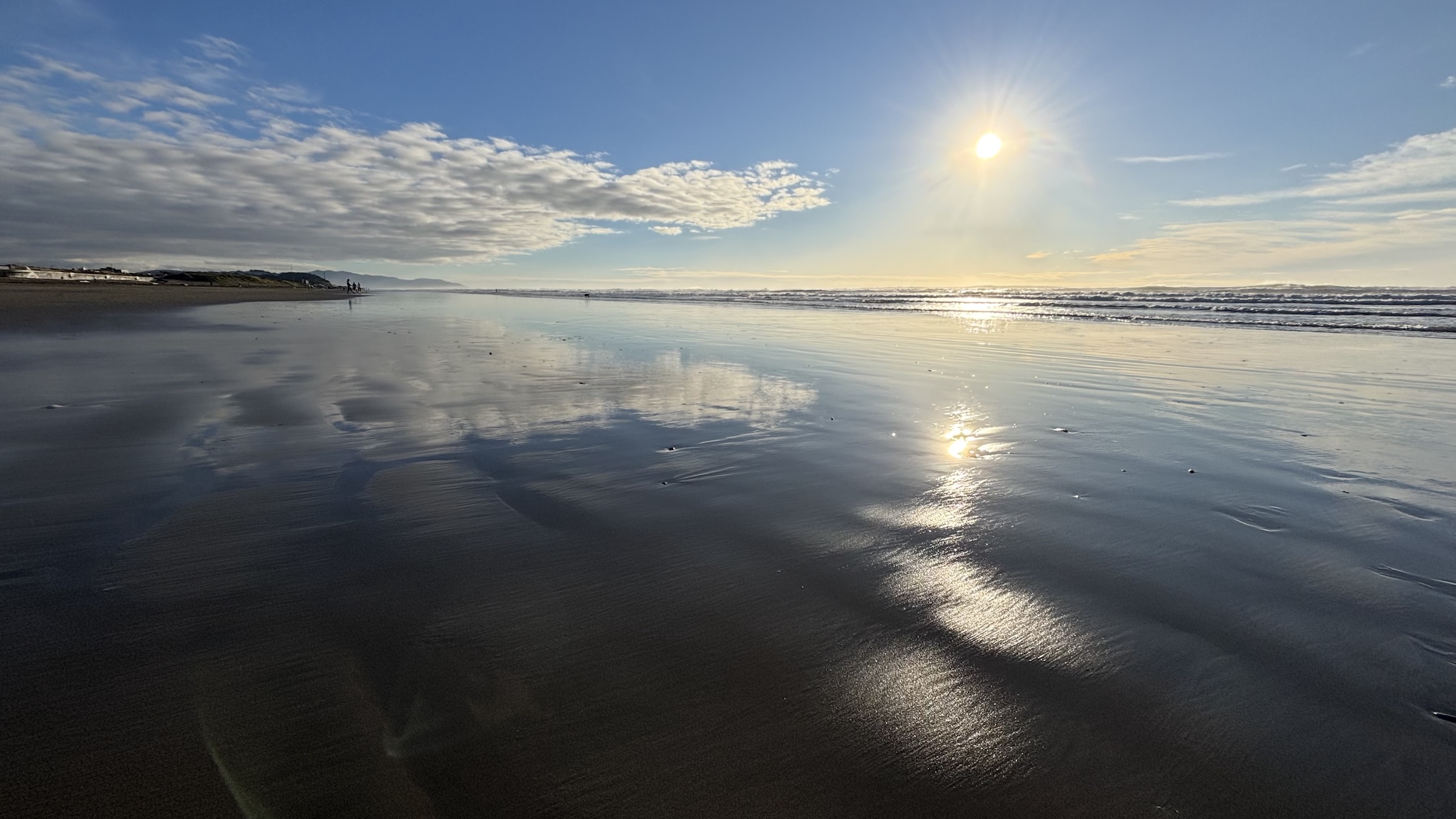
[ The rains of the past week finally let up today, and I went on a long walk up 19th Avenue and down Taraval to Ocean Beach... ]