asking a question of Hafez
Because I noticed the epigraph Merlin Sheldrake used in the Introduction to his magisterial work on fungi, Entangled Life...
is jealous of what we on earth can do.

A note from Perplexity:
| { Both “Hafiz” and “Hafez” are acceptable English spellings for the renowned 14th-century Persian poet, whose full name is Khwāja Shams-ud-Dīn Muḥammad Ḥāfeẓ-e Shīrāzī: |
NB: I used the Persian spelling for this blog post's title (for reasons that will be evident shortly), where Sheldrake used the Arabic in his epigraph.
After I'd learned (from my usual Lyra Corvus 2nd brain) who Hafez was, I immediately texted my Iranian friend Azi, "...hey, would you happen to have a copy of Hafez’s book, “Divan”? And of course she had a volume! In Farsi, of course. So I asked her if I could borrow it for a few days and she was more than happy to oblige; when I got it from her, she told me something extraordinary about it: that Iranians use Hafez's work as an oracle of sorts, consulting it on various questions one might have, about anything at all.
With a question in mind, one opens the book to a random page, and reads the ghazal (poem) and also the fal (literary gloss) associated with it. The practice of fāl-e Hāfez — opening the Divan at random to receive guidance — is, apparently, one of the most enduring folk traditions in Persian culture.
And of course, it immediately occurred to me what to do with this arcane knowledge. ::chuckle::
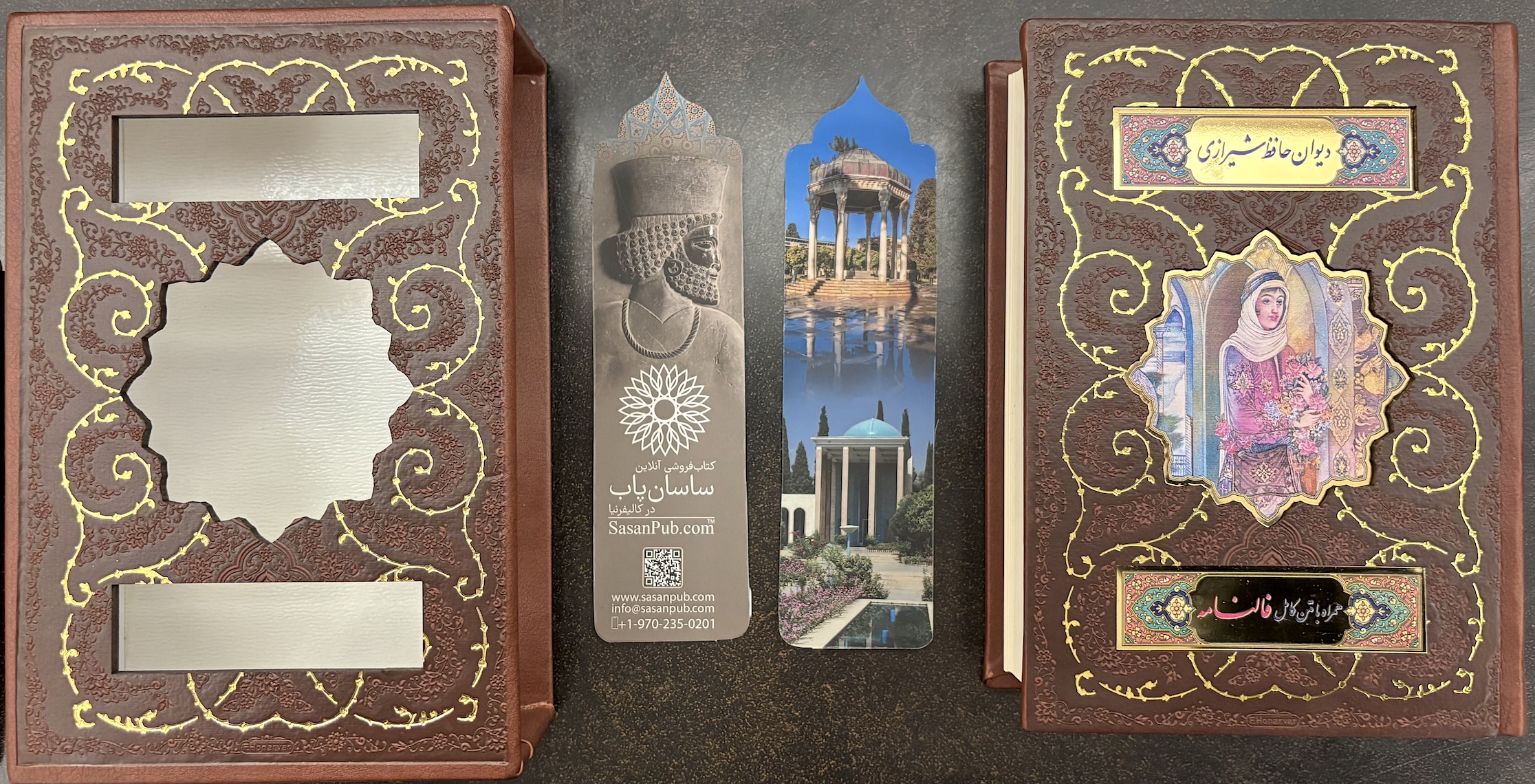
That's the actual book there on the right, the special case for it on the left, and a couple of Azi's cool bookmarks (from the book publisher) in the middle.
Books in Farsi are read right to left, like other Semitic languages (Arabic, Hebrew). What it says on the cover of the book (from Claude):
| The front cover (the volume on the right) has two illuminated cartouches with Persian text:
Top cartouche: Bottom cartouche:
همراه با متن کامل فال
|
And so my day today unfurled as a series of questions — 4, as it would turn out. As of 6 PM as I write this, I've asked 3: one in the early morning, another at noon, the third at mid-afternoon with an hour of sunlight left, and the last one I intend to ask late tonight, after midnight.
What questions? Well, they may be grist for tomorrow's blog post mill. ::chuckle::
Until then, then.
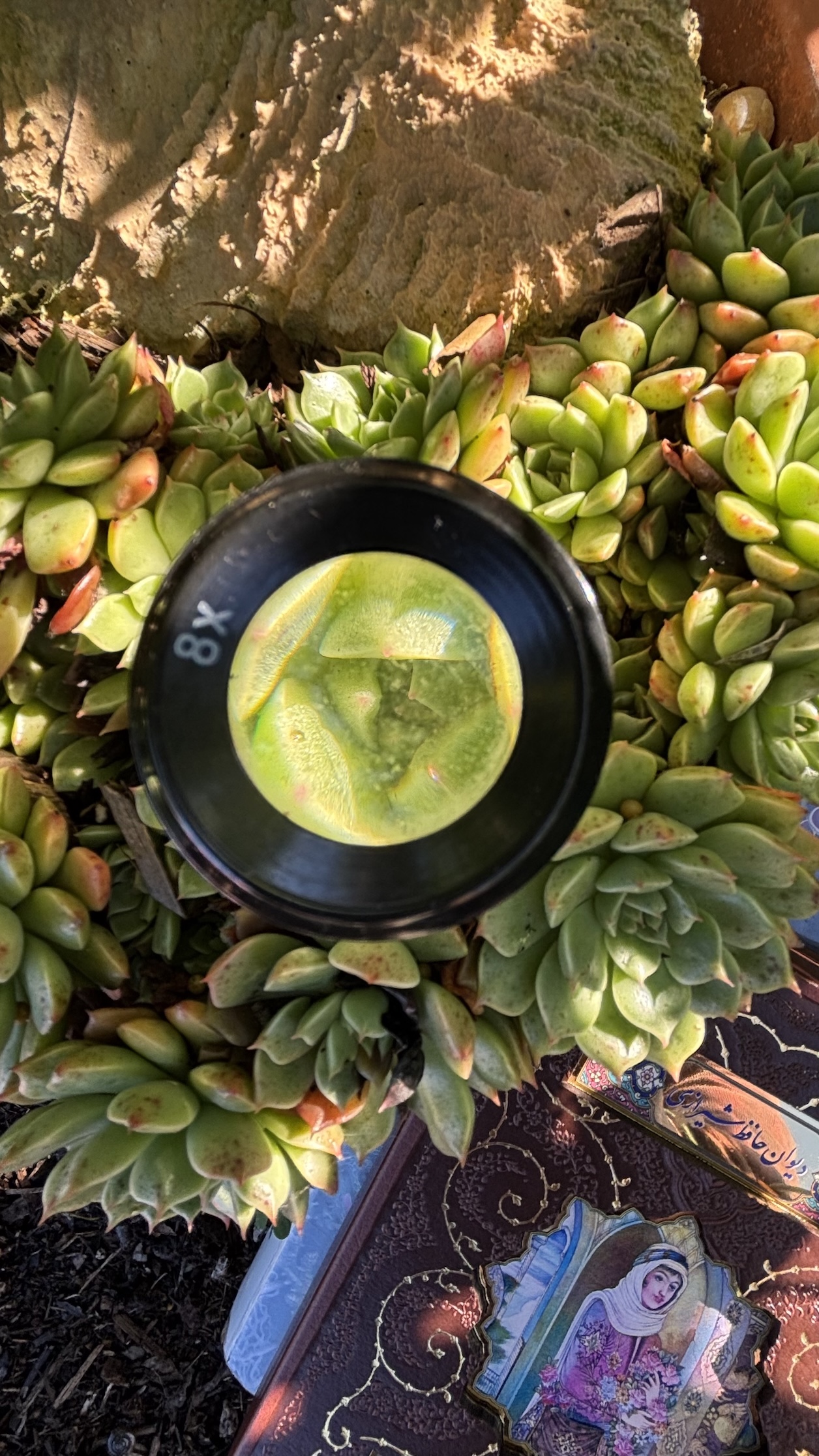
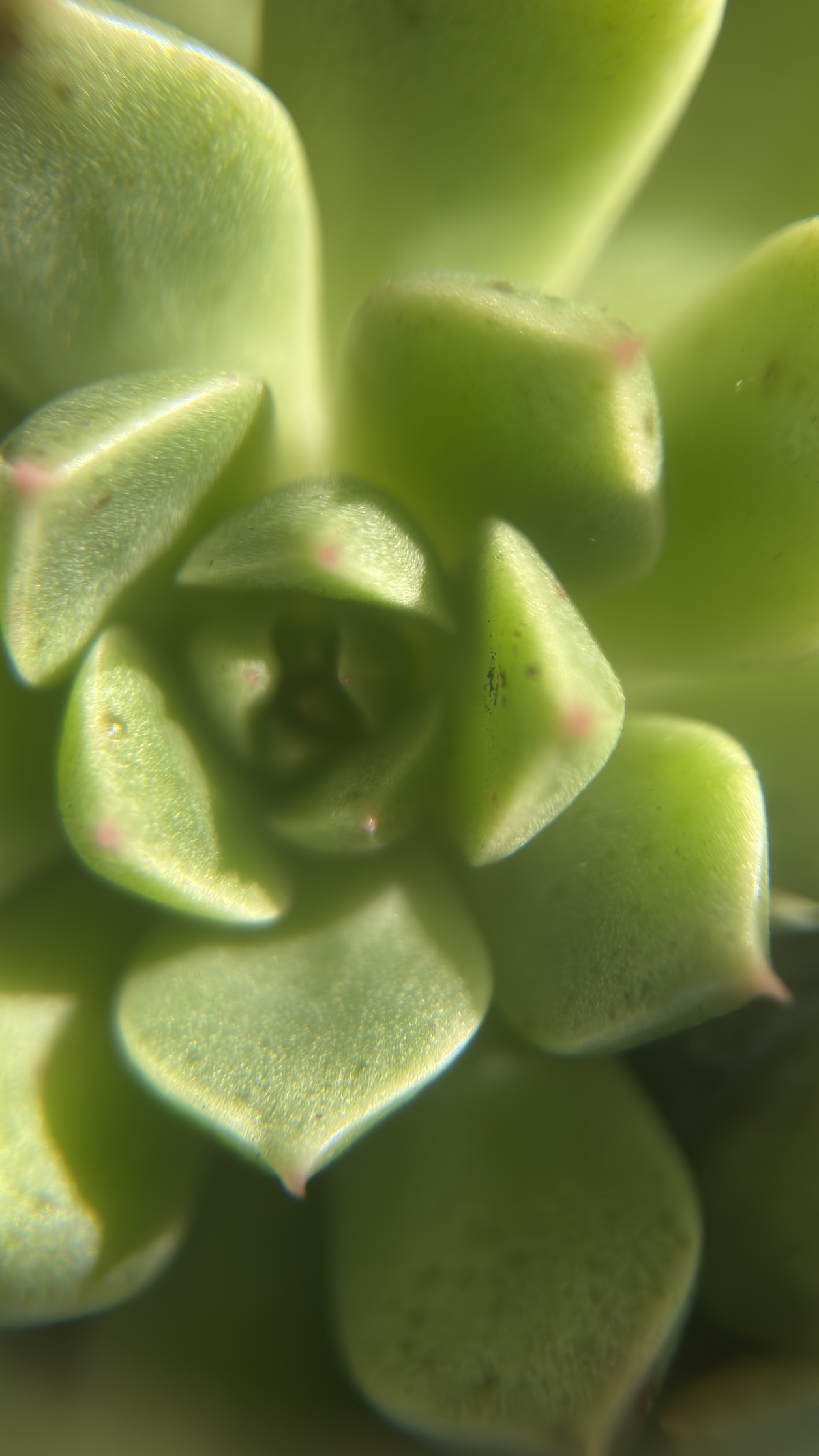
[ From this afternoon's zazen at the FMCG.. ]
 |
 |